




Ateneo de Davao Physics Department Conducts First Leg of Applied Physics Symposium
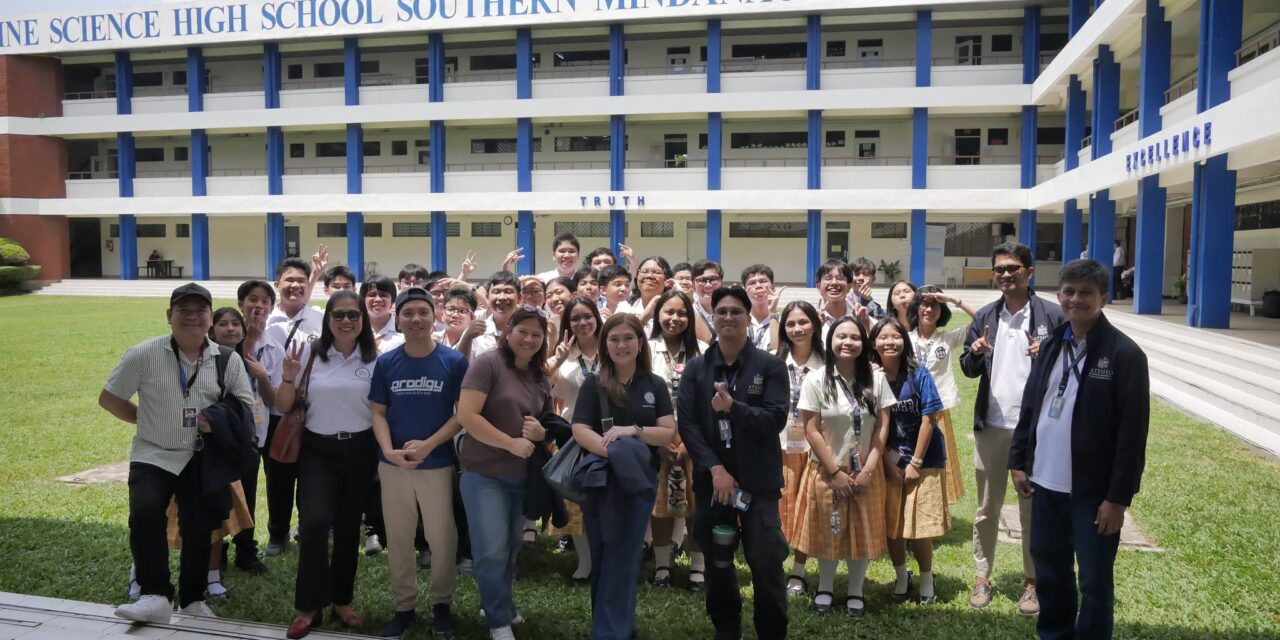
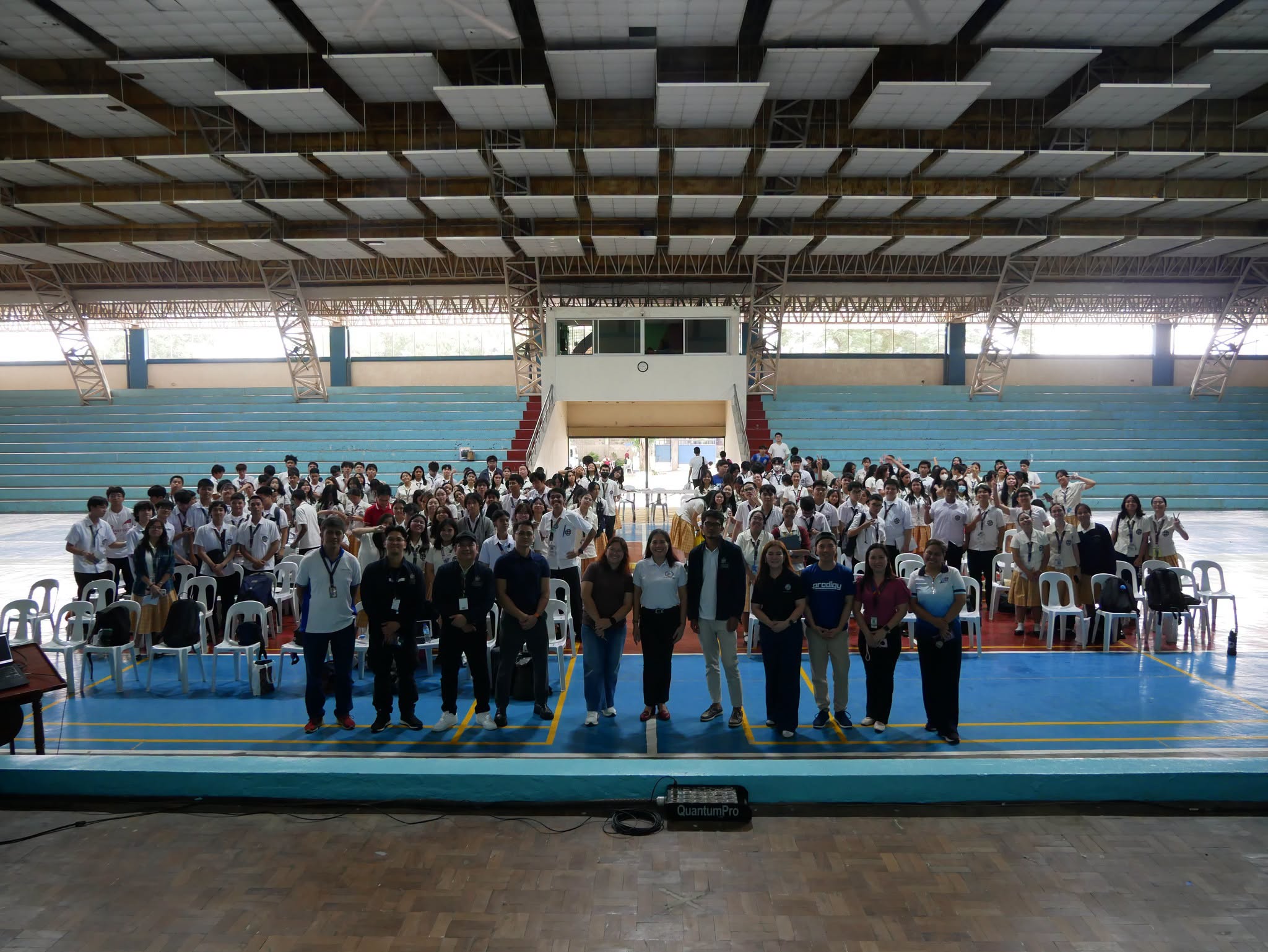
Ateneo de Davao University Physics Department convened the first leg of its Symposium on Applied Physics and Emerging Technologies on the 7th of August 2026, at the Philippine Science High School – Davao Region Campus.
The symposium introduced senior high school students to 21st-century research and developments in Physics, exploring how the discipline has driven innovations and breakthroughs in fields such as healthcare, and opening discussions on career pathways in engineering, healthcare, and materials science.
Physics Department Chair Dr. Belinda F. Faustino opened the program, highlighting how Physics continues to shape breakthroughs and career opportunities across healthcare, advanced materials, sustainable technologies, and scientific research.
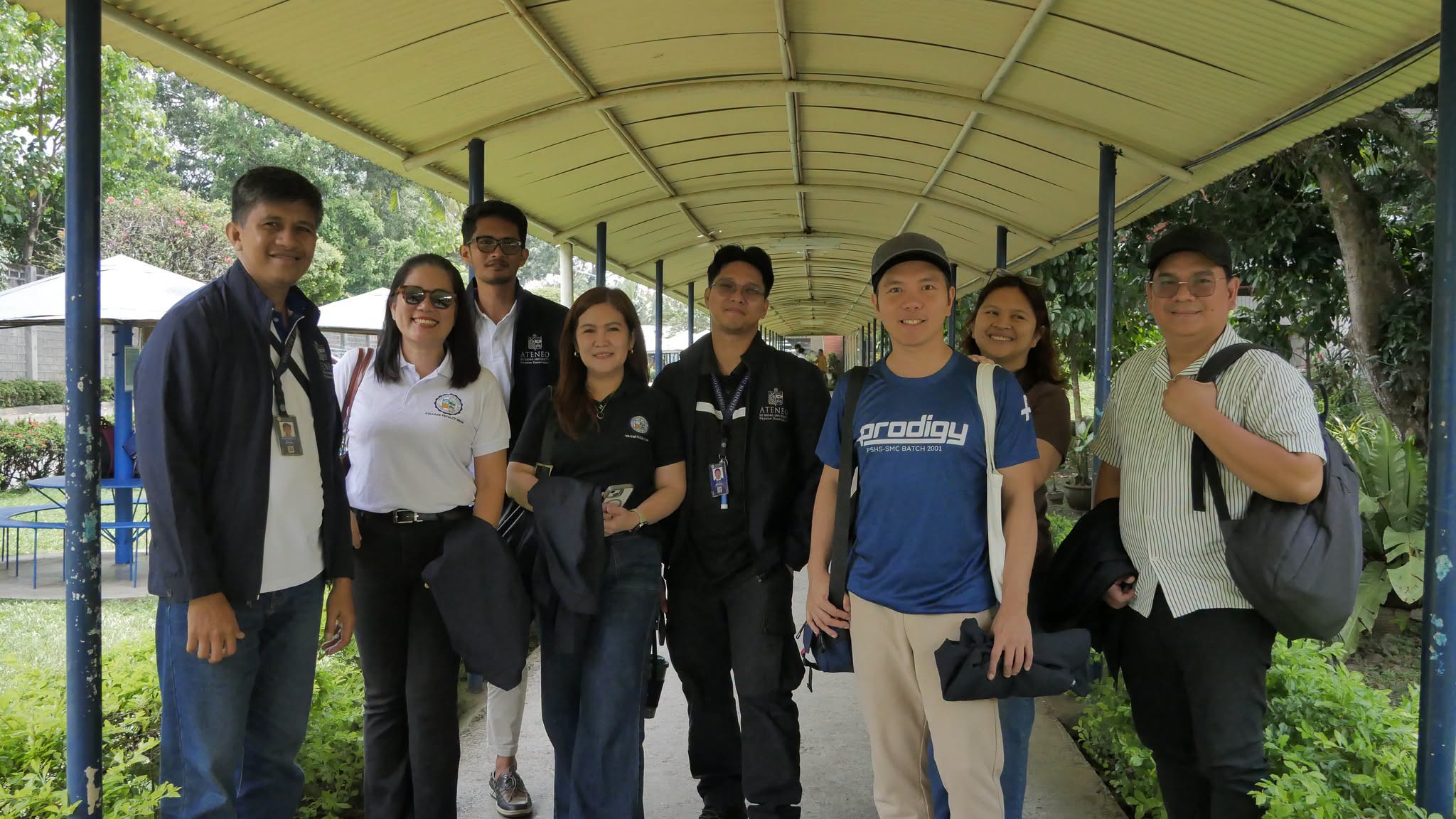
She was joined by fellow faculty members Kristine Mae R. Carnicer, PhD in Physics (c); Rachel B. Remedios, PhD in Physics Education; Patrick Alvin Alcantara, MS Physics; and Engr. Dave Marvyn S. Salvador of Materials Engineering, who facilitated and supported interactive learning sessions featuring Q&A portions and icebreaker activities that walked students through the fundamentals and intermediate concepts of Physics.
Featured speakers Andelson L. Berondo, MS in Medical Physics; Dominador F. Vaso, Jr., PhD in Physics (c); Jonathan N. Patricio, PhD in Materials Science and Engineering (c); and Jose Presiphil B. Ontolan, Jr., PhD in Physics, guided students through the frontiers of Health and Medical Physics, Materials Science, and Nanotechnology.
Discussions covered how Health Physics safeguards the environment from radiation and supports its safe application in medicine, nuclear power, waste management, and industrial monitoring of radioactive materials. Speakers also explained how Materials Science serves as a foundational discipline in optimizing manufacturing and technology by making sense of the substances that make up everyday objects, and how Nanotechnology enables the control and manipulation of matter at the nanometer scale, driving breakthroughs such as smaller, higher-capacity electronic chips and the early detection of harmful cells in medicine.
The symposium is the first of a series of school visits the department plans to conduct.