Physics Dept Hosts Lecture on Nuclear Energy in the Philippines
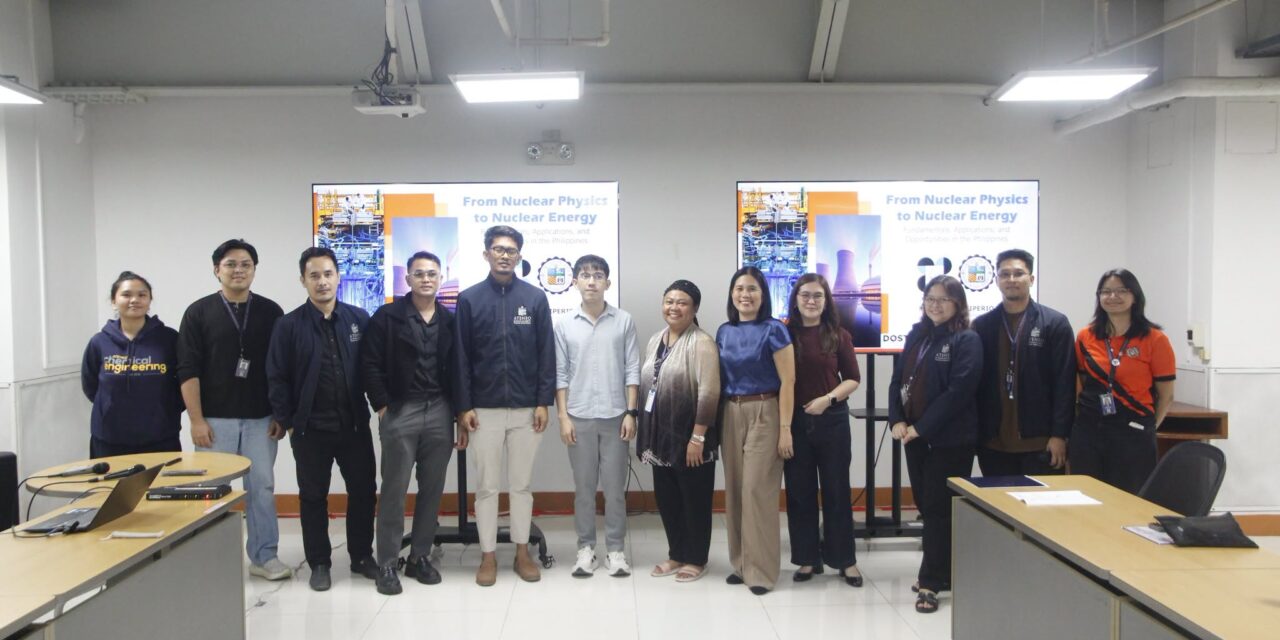
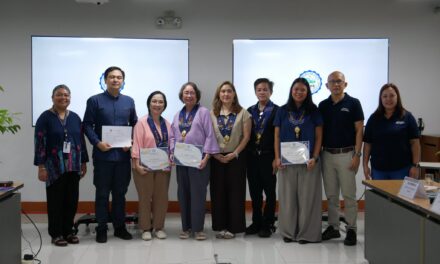
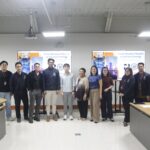
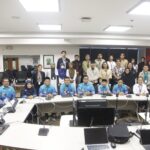
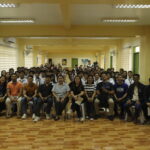
The Natural Science and Mathematics Cluster, through the Physics Department of Ateneo de Davao University, hosted a lecture on nuclear science and nuclear energy on the 9th of September 2026, in the VP-HE Workroom on the 7th Floor of the CCFC Building.
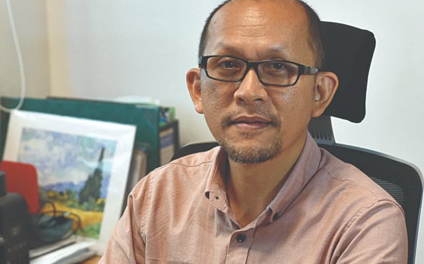
Dr. Agnes Aranas, Assistant Dean for Natural Sciences and Mathematics, delivered the welcome remarks and introduced Mr. Mark Gino E. Aliperio, MSc, MEng, S&T Fellow II of the Department of Science and Technology (DOST) and NuSIM Project Leader of the DOST-Philippine Nuclear Research Institute (DOST-PNRI), to an audience of students from engineering and NSM-related programs, along with faculty members.
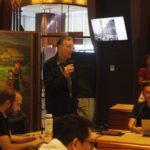
Mr. Aliperio’s presentation, titled “From Nuclear Physics to Nuclear Energy: Fundamentals, Applications, and Opportunities in the Philippines,” opened with the fundamentals of nuclear and reactor physics before moving into nuclear fission and energy, laying the scientific groundwork for the sessions that followed.
He then discussed applications of nuclear science and technology and the Philippine Nuclear Energy Program, which reflects the country’s ongoing consideration of nuclear power as part of its energy mix.
In February 2026, the government finalized a streamlined licensing roadmap for nuclear power projects, part of its target to integrate nuclear energy into the Philippine energy mix by 2032, with plans to begin accepting nuclear power plant license applications within the year.
These efforts are anchored by the recently created Philippine Atomic Energy Regulatory Authority (PhilATOM), an independent body established under Republic Act 12305, or the Philippine National Nuclear Energy Safety Act, to oversee the safe, secure, and peaceful use of nuclear energy and radiation sources in the country.
The presentation also covered nuclear installations in the Philippines, radioactive waste management, and the NuSIM Project, topics that speak directly to the practical and regulatory dimensions of nuclear energy development locally.
The session concluded with a segment on opportunities for students and faculty, highlighting potential entry points into the field through research and capacity-building programs.
An interactive discussion followed, during which faculty members and students raised questions and explored potential avenues for involvement in nuclear science research, both within the University and in the broader national context.
The lecture forms part of the University’s continuing efforts, through the Natural Science and Mathematics Cluster, to strengthen interdisciplinary learning, research engagement, and external linkages in science and technology fields relevant to national development.