



New Zealand Embassy Opens Doors to Manaaki Scholarships at ADDU
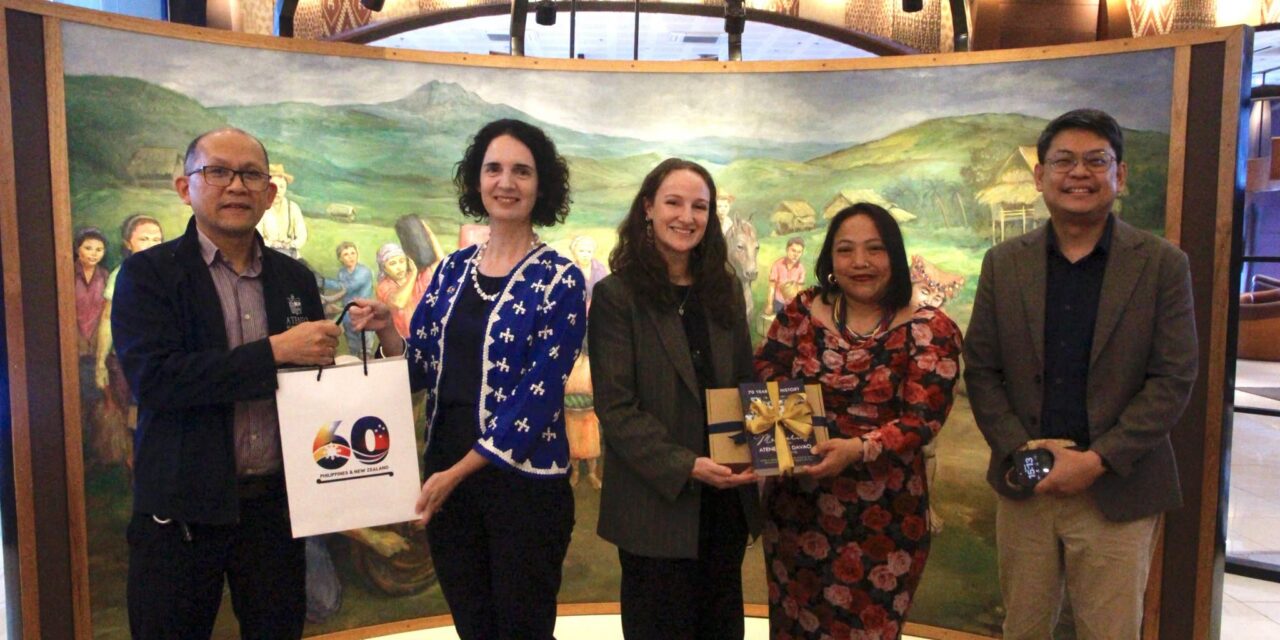
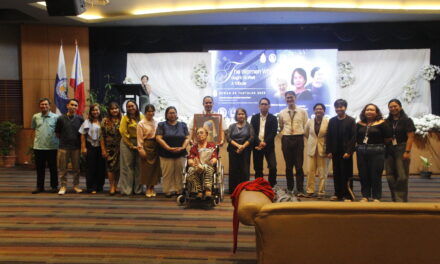
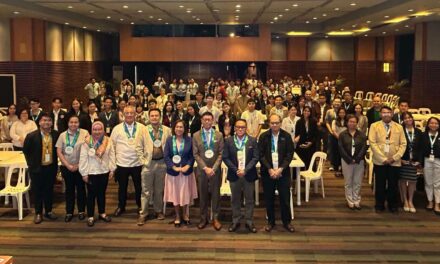
On 27 October 2026, Ateneo de Davao University, through the Ateneo Internationalization for Mindanao and in collaboration with the Embassy of New Zealand in the Philippines, held an Information Session on the Manaaki New Zealand Scholarships at the 11th Floor, Calungsod-San Vitores Jesuit-Lay Collaboration Center, CCFC Building. The session was open to faculty, staff, graduating students, alumni, and professionals interested in pursuing postgraduate studies in New Zealand.
University President Fr. Karel S. San Juan, SJ, opened the program by welcoming the Embassy delegation and guests. He underscored the importance of building partnerships and expanding access to scholarships. Ambassador of New Zealand H.E. Catherine McIntosh then introduced the scholarship as a pathway for Filipinos to take up graduate education in New Zealand.
Why New Zealand
Secretary Joanna Bishop presented the benefits of the scholarship and of life in New Zealand. She cited its first-place standing globally in work-life balance, the placement of its universities within the top 2% worldwide, and the fifth-place ranking of its students among the world’s most creative thinkers. She added that New Zealand pioneered formal pastoral care for students, and that 95 percent of Filipino students there reported positive experiences with the people and relationships they formed.
Mr. Roman Rey, a Filipino who studied in New Zealand, followed with a personal account of his time there. He spoke about the local culture, the chance to work while studying, and the friendships he built with people from other countries and within the Filipino community.
About the scholarship
Ms. Dyan Mabunga explained the meaning behind the program’s name. In the Māori language, mana refers to presence, honor, prestige, and spiritual authority, while manaaki means to care for, nurture, and sustain others. The scholarship, which has run since the 1950s under different names, has contributed to strengthening New Zealand’s relationships across ASEAN.
Applicants must have work experience, submit a complete online application before the deadline, and show a commitment to serving their communities. Selection considers the applicant’s study plan, a balance across sectors, the allocation for doctoral studies, and age. Applications will open on March 1, 2027, and close on March 31, 2027, New Zealand time.
Voices of Indigenous scholars
Ms. Mabunga also introduced Indigenous scholars from Mindanao, the Cordillera, and Cagayan who are currently studying in New Zealand. Their fields include Peace and Conflict Studies, International Relations and Diplomacy, Geothermal Energy, Indigenous Studies, Development Studies, and Disaster Risk Resilience.
During the open forum, the speakers affirmed that the scholarship seeks to uplift underrepresented communities, although Indigenous scholars still make up a small share of awardees. They clarified that applicants may select their preferred university, provided they can explain how the choice connects to their intended service. They also noted that alumni gatherings offer new scholars mentorship and networking opportunities.
Closing
The Vice President for Higher Education closed the program by thanking Ambassador McIntosh and the Embassy for their contributions to academia, friendship, and the University’s partnerships with New Zealand in support of human development.